Essential Laundry Care for Table Linens That Keep Dining Spaces Elegant

Laundry care for table linens plays a key role in maintaining refined dining environments at homes, restaurants, and event venues. Clean and well-maintained linens influence first impressions and dining comfort. Guests notice stained, dull, or poorly maintained tablecloths instantly. That visual impact shapes how the space feels and how the brand is remembered.
This detailed guide focuses on table linen care, with practical, easy-to-follow steps. It explains fabric types, stain treatment, washing methods, drying practices, ironing tips, and safe storage. It also highlights moments when professional laundry and dry cleaning services bring better results.
Table linens face frequent spills, food stains, and repeated washing. Without proper care, fibres weaken, and colours fade. By following proper cleaning habits and knowing when expert help is needed, dining spaces retain their elegance longer. This article also covers smart handling for luxury and event linens.
You will gain clear direction on daily care and expert solutions to achieve spotless, polished dining setups.
Why Proper Laundry Care Matters for Table Linens
Table linens play a direct role in dining hygiene and visual appeal. Clean linens support a fresh dining experience. They also reflect attention to detail. Poor laundry care for table linens leads to faded colors, rough textures, and lingering odors. These problems affect guest satisfaction at homes and businesses alike.
Restaurants rely on consistent linen quality to support brand standards. Event spaces use table linens as a centerpiece for décor. At home, clean linens improve everyday dining comfort. Neglecting laundry care causes stains to set deeper and fibers to weaken after repeated washes.
Using proven methods and tips for long-lasting linens helps maintain softness and structure. It also helps protect linens from stains before they become permanent.
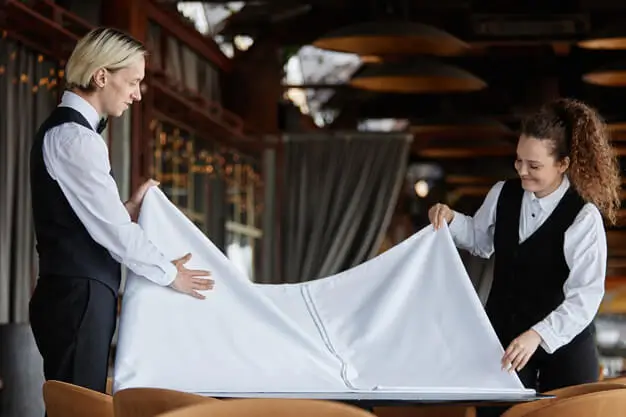
Understanding Different Types of Table Linen Fabrics
Knowing fabric types helps in choosing the proper care routine. Each material reacts differently to water, heat, and cleaning agents. Laundry care for table linens becomes simpler when fabric behavior is understood.
Common table linen fabrics include cotton, linen, polyester blends, and specialty fabrics such as embroidered or satin-finish materials. Cotton offers durability and absorbency. Linen provides a refined texture but needs gentle handling. Polyester blends resist wrinkles and dry faster. Specialty fabrics often require special washing cycles.
Fabric knowledge supports proper washing table linens. It also reduces wear caused by incorrect washing or drying methods.
Natural vs Synthetic Table Linens
Natural fabrics like cotton and linen absorb stains quickly. Oil and wine penetrate fibers fast. These fabrics need quick stain attention and gentle wash cycles. Hot water weakens fibers over time.
Synthetic fabrics resist moisture and staining better. They maintain color longer. They also tolerate frequent washing. Still, high heat causes damage. Using a mesh laundry bag helps protect delicate synthetic finishes.
Natural linens benefit from softer handling and lower temperatures. Synthetics require controlled heat and mild washing programs. Understanding this balance improves outcomes in laundry care for table linens.
Treating Food and Beverage Stains Before Washing
Fast action matters when dealing with spills. Oil, sauces, wine, and coffee set quickly. Ignoring stains leads to permanent marks. Effective laundry care for table linens starts before the wash cycle.
Blot spills immediately. Avoid rubbing. Rubbing pushes stains deeper. Quick spot cleaning limits stain spread. Early treatment keeps fibers intact and colors fresh. Pre-treatment helps extend linen life and supports tips for long-lasting linens. It also reduces the need for harsh chemicals later.
Effective Pre-Treatment Methods for Common Table Stains
Use cold water for protein stains, such as sauces. Warm water works better for oily spills. Apply a mild detergent directly to the stained area. Gently work it in with fingers or a soft brush.
Test stain removers on hidden seams. This avoids color loss or fabric damage. Avoid bleach on colored linens. Oxygen-based cleaners work better for delicate fibers. These steps strengthen linen care routines and limit fabric stress.
Washing Table Linens the Right Way
Correct washing protects texture, color, and strength. Incorrect cycles shorten fabric life. Overloading machines causes friction and uneven cleaning. Good laundry care for table linens depends on suitable wash settings and proper loading.
Choose gentle cycles when possible. Avoid aggressive spinning. Consistent routines preserve linens across repeated washes.
Sorting Linens by Fabric Type and Color
Sorting matters for stain control and color safety. Separate white linens from colors. Group similar fabrics together. This step prevents color bleeding and friction damage.
Fabric-based sorting supports effective washing table linens without weakening fibers. It also keeps whites bright and colors consistent.
Choosing the Right Detergent and Water Temperature
Select a mild detergent for regular washing. Harsh chemicals weaken fibers and dull finishes. Warm water cleans effectively without fiber stress. Hot water increases the risk of shrinkage in linen fabrics.
Matching detergent strength and water temperature improves proper linen maintenance and supports long-term durability.
Drying Techniques That Preserve Linen Quality
Drying affects shrinkage and softness. High heat damages fibers fast. Overdrying stiffens linens and causes wrinkles. Gentle drying habits improve the laundry care for table linens.
Removing linens slightly damp reduces stiffness. It also simplifies ironing.
Air Drying vs Machine Drying for Table Linens
Air drying suits natural fabrics. It reduces shrinkage and preserves texture. Hang linens smoothly to limit wrinkles.
Machine drying works well for blends at low heat. Avoid overdrying. Remove linens promptly to prevent creasing. These steps maintain soft textures and support tips for long-lasting linens.
Ironing and Finishing for a Polished Dining Look
Ironing improves presentation. A well-pressed tablecloth elevates dining décor and reflects attention to detail. Correct ironing methods protect fibers from heat damage.
Set iron temperatures based on the fabric type. Linen needs medium heat. Cotton tolerates higher heat. Synthetic blends require low settings. This approach enhances the quality of laundry care for table linens.
Achieving Crisp, Wrinkle-Free Table Linens
- Iron linens while slightly damp:
Light moisture relaxes fibers, making wrinkles easier to remove without excessive heat. - Set the fabric’s correct temperature:
Linen and cotton need medium heat, while blends require lower settings to prevent damage. - Use steam sparingly:
Too much steam can leave water marks or stiffness. Gentle steam smooths fabric effectively. - Press instead of dragging the iron:
Lifting and pressing protect fibers and prevent fabric stretching or shine marks. - Focus on edges, corners, and hems:
These areas define the overall look and help achieve a crisp, professional finish. - Finish and fold after ironing:
Prompt folding prevents new wrinkles and keeps table linens polished and ready for use.
Proper Storage to Maintain Freshness and Shape
Storage affects cleanliness and fabric life. Storing damp linens leads to odors and mildew. Poor folding causes deep creases. Proper storage supports reliable laundry care for table linens.
Use clean, dry shelves. Allow airflow around stored items. Avoid humid areas.
Folding and Storing Table Linens the Right Way
- Fold linens neatly with even edges:
This reduces deep creases and helps table linens lie flat when in use. Proper folding also maintains a uniform shape over time. - Use breathable cotton covers for storage:
Cotton allows air to circulate, keeping linens fresh and preventing trapped odors during long-term storage. - Avoid plastic bags or airtight containers:
Plastic traps moisture and heat, increasing the risk of mildew, yellowing, and unpleasant smells. - Store linens in a clean, dry place:
Dry environments protect fibers from dampness and help preserve fabric strength and color. - Rotate stored linens regularly:
Rotating prevents permanent fold lines and ensures even aging across all table linens.
Special Care for Luxury, Event, and Heirloom Table Linens
Because of their delicate construction and ornamental details, luxury, event, and heirloom table linens require extra care. Rough home washing cycles can weaken or fray delicate trims, lacework, and embroidery. Over time, color fading and thread damage are frequently caused by heat and strong detergents. The original texture, color depth, and elaborate design of these high-end items are preserved with specialized laundry care for table linens.
Strict presentation requirements, heavy food spills, and frequent use are additional challenges for event linens. Uneven wear, distortion, and dull finishes can result from inconsistent home washing. Controlled cleaning, appropriate drying, and consistent pressing are all supported by skilled handling. This level of maintenance preserves linens’ long-term value and keeps them appropriate for formal dining and special events.
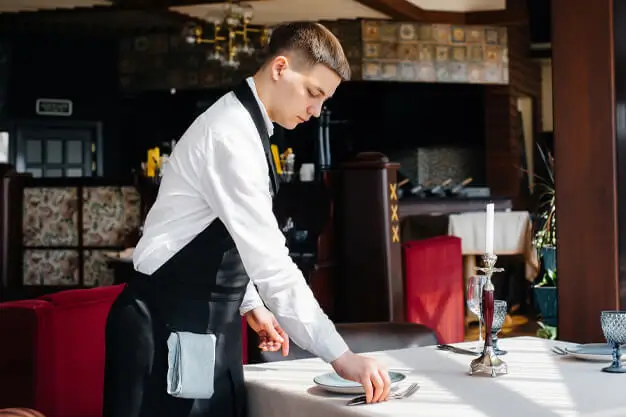
When Professional Laundry and Dry Cleaning Is the Better Choice
Commercial-grade services bring expertise and consistency. Large volumes, heavy staining, and delicate fabrics benefit from expert care. Professional laundry care for table linens saves time and reduces fabric loss.
For premium results, services that offer dry and wet cleaning handle a wide range of stains and fabric needs.
How Laundry and Dry Cleaning Services Protect Table Linens
Specialized laundry and dry cleaning services protect table linens by using fabric-specific cleaning programs that match the exact fiber type. Controlled washing cycles and measured water temperatures reduce fiber stress and prevent shrinkage or fading. Drying is carefully managed to avoid overheating, which helps maintain softness and shape.
Commercial pressing delivers uniform, crisp finishes that enhance presentation and extend usability. These expert methods support reliable caring for dining linens for both residential and commercial dining needs.
Laundry and Dry Cleaning Services by Love2Laundry
Love2Laundry supports spotless dining spaces through expert linen services. Their team understands fabric behavior and stain control. Modern equipment supports safe cleaning and precise finishing.
Clients benefit from hassle-free linen managementand reliable scheduling.
Pickup, Delivery, and Linen Care Expertise
Love2Laundry provides convenient pickup and delivery services designed for busy homes, restaurants, and event venues. Each linen item receives expert handling in accordance with the wash and care for your linen sheets best practices. The service focuses on fabric safety, cleanliness, and a refined finish for dining spaces.
Clear and transparent pricing makes service planning simple and stress-free. For customized linen solutions and support, you can directly contact us anytime.
FAQs – Laundry Care for Table Linens
Will 100% linen shrink when washed?
Yes. Linen can shrink if washed in hot water or dried with high heat. Cold or warm cycles reduce risk.
What is the best way to wash linen?
Use gentle cycles with cold or warm water. Use a mild detergent and avoid heavy spinning.
Is 40 degrees too hot for linen?
Forty degrees may cause slight shrinkage over time. Lower temperatures suit regular linen care.
Keeping Dining Spaces Elegant Starts with Proper Linen Care
Laundry care for table linens is not just about keeping fabrics clean. It is about protecting presentation, hygiene, and the overall dining experience. When washing, drying, ironing, and storage are handled correctly, linens retain their color, texture, and structure far longer. Early stain treatment and fabric-aware handling prevent permanent damage and reduce unnecessary wear.
Consistent routines make everyday maintenance easier, while professional services provide dependable results for high-use or delicate linens. With the right approach to laundry care for table linens, dining spaces remain polished, welcoming, and elegant over time.