Cotton Towels Guide: Essential Facts, Fabric Types, and Care Secrets Explained
This cotton towels guide serves as your ultimate resource for maintaining comfort and hygiene in your home. In the UAE, high-quality towels are essential for every household. The combination of intense heat and coastal humidity means we use towels more frequently than in other regions.
Choosing the right fabric is not only about a soft touch; it’s also about skin health and long-term value. When you invest in premium cotton, you invest in your daily well-being. However, the harsh local environment can quickly degrade even the finest materials.
This guide covers everything from fiber origins to professional maintenance practices. By following these expert tips, you can enjoy a spa-like experience after every shower. Let’s dive into the world of cotton to see how you can maximize the lifespan of your bathroom essentials.
Why Cotton Towels Are the Preferred Choice for UAE Homes
Cotton remains the undisputed king of bathroom fabrics for several reasons. First, its natural breathability allows moisture to escape, which is vital in the humid UAE climate. Synthetic blends often trap heat and sweat, leading to skin irritation. Pure cotton is hypoallergenic and feels gentle against the skin after a long day in the sun.
Furthermore, cotton is famous for its incredible absorbency. It can hold many times its weight in water, making it efficient for quick drying. In the UAE, water quality often features a high mineral content. These minerals can settle into fabric fibers during a wash. Cotton handles these challenges better than microfibers.
Frequent washing is also a reality here due to the heat. Cotton fibers are robust enough to withstand constant laundering without falling apart immediately. Opting for high-quality cotton strikes a balance between luxury and practicality.
Understanding Cotton Towel Fabric Types
Not all cotton is created equal. The quality of a towel depends largely on the “staple” or the length of the cotton fiber. Longer fibers create a smoother, stronger yarn. When these yarns are woven, they result in absorbent towels that do not pill or shed excessively.
The origin of cotton also plays a massive role in how towels behave. Some regions produce cotton that is naturally more porous, while others focus on strength. The weave style, such as terry cloth or waffle weave, also affects how the towel feels against your skin.
When searching for a comprehensive cotton towels guide, users often look for the perfect balance between luxury and utility. This guide to cotton towels aims to bridge that gap by offering practical advice for the unique challenges of the Middle Eastern environment. By following this cotton towels guide, you can ensure your home textiles remain a highlight of your daily routine rather than a scratchy inconvenience.
Egyptian Cotton Towels – Premium Softness and High Absorbency
Egyptian cotton is the gold standard for luxury. These towels are made from long-staple cotton fibers grown in the Nile River Valley. This specific environment produces fibers that are exceptionally fine and strong.
Because the fibers are so long, they can be spun into fragile yet durable threads. This enables higher loop density, creating luxury Egyptian cotton towels that feel exceptionally heavy and plush.
These are the types of towels you typically find in high-end resorts. They offer unparalleled softness that actually improves with age if handled correctly. However, their high density means they take longer to dry. In a humid environment, ensure proper airflow.
If left damp in a poorly ventilated bathroom, even luxury Egyptian cotton towels can lose their luster. They represent a significant investment in your home comfort but require a disciplined care routine to stay fresh.
Many homeowners strive to replicate the plush feel of hotel bathroom towels within their own master suites. These linens are selected for their high loop density and their ability to withstand industrial laundering while maintaining a crisp appearance. To achieve the same feel, look for high GSM (grams per square meter) ratings, which indicate a denser, more luxurious fabric weight.
Turkish Cotton Towels – Lightweight, Quick-Drying, and Versatile
If you prefer a towel that dries quickly, Turkish cotton is your best bet. While Egyptian cotton focuses on maximum absorbency, Turkish cotton provides a perfect balance. It is naturally shiny and strong. A unique characteristic of this fabric is that it becomes softer and more absorbent with each wash.
When comparing Turkish cotton towels vs Egyptian cotton towels, the main difference is the drying time. Turkish cotton fibers are less likely to retain excess moisture for extended periods. This makes them a lightweight towel option well-suited to the UAE’s humidity.
“They are excellent as hand towels or gym accessories since they won’t stay damp in your bag. Many families prefer them because they take up less space in the washing machine, as well as in the linen closet. They provide a sleek, modern look while remaining highly functional for busy lifestyles.
Pima Cotton Towels – Smooth Texture with Long-Lasting Strength
Pima cotton is a high-quality American cotton variety that shares many traits with Egyptian cotton. It is also long-staple cotton, making it highly resistant to fraying and tearing. Pima is often praised for its silky texture. It feels smooth rather than just “fluffy.”
For UAE households that wash their linens frequently, Pima is a reliable choice. It maintains its color better than standard cotton and resists the “scratchy” feeling that often comes with hard water.
If you want a towel that stays looking new after fifty washes, Pima is a strong contender. It offers a premium feel without the heavy drying requirements of the thickest fabrics. It strikes a practical balance for families seeking durable quality that lasts through frequent use.
Organic Cotton Towels – Eco-Friendly and Skin-Safe
For those with sensitive skin or an environmental focus, an eco-friendly towel made from organic cotton is the best choice. These towels are grown without synthetic pesticides or fertilizers, and the manufacturing process avoids harsh bleaches and toxic dyes.
An eco-friendly towel is much better for babies and people with allergies. Since no chemicals are trapped in the fibers, there is a lower risk of skin reactions. You might notice that an eco-friendly towel feels slightly different at first, but it is just as durable as conventional cotton.
These towels do require gentle detergents to maintain their integrity. By choosing these, you support sustainable farming practices while keeping your home free from unnecessary chemicals. They are a thoughtful choice for the modern, conscious consumer in the UAE.
How the UAE’s Climate and Water Quality Affect Cotton Towels
The environment in cities like Dubai and Abu Dhabi is tough on fabrics. High humidity prevents towels from air-drying naturally. When a towel stays damp for too long, the fibers begin to break down. Moreover, the “hard” water found in many areas contains minerals like calcium and magnesium.
These minerals attach to the cotton fibers during the wash cycle. Over time, they create a thin crust that makes the towel feel like sandpaper. Heat also plays a role; high temperatures can “bake” detergent residue into the fabric if the rinse cycle isn’t thorough.
This combination of factors explains why your towels might lose their “new” feel much faster here than in other parts of the world. Understanding this cotton towels guide helps you tackle these specific environmental challenges.
Common Cotton Towel Problems and Why They Happen
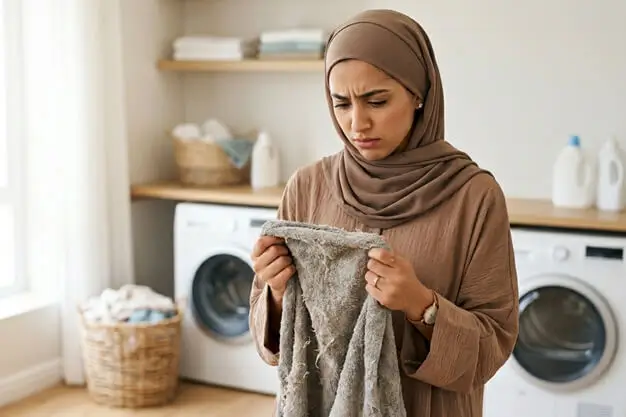
Most people face the same few issues: stiffness, bad smells, and lint. These problems are rarely the fault of the towel itself. Instead, they are symptoms of poor laundry habits. Smells are the most common complaint in the UAE.
This is usually caused by bacteria trapped deep within the fabric’s loops. If you don’t use the right temperature or drying method, these microbes multiply. This leads to that sour “wet dog” smell that won’t go away. Recognizing these issues is the first step toward fixing them.
Why Cotton Towels Lose Softness After Washing
It may sound counterintuitive, but fabric softener actually harms the softness of cotton. Softeners coat fibers with a thin layer of wax or silicone, which makes the towel feel slippery and flattens the loops, reducing absorbency.
If hard water makes your linens stiff, learning how to make your towels soft & fluffy is essential for comfort. Simply add white vinegar to your wash to remove mineral buildup and restore the cotton fibers’ natural loft.
How Improper Drying Causes Odors and Bacteria
Even if a towel feels dry to the touch, it might still hold moisture deep inside. This is particularly true for luxury Egyptian cotton towels because of their thickness. You must ensure they are fully spread out or run through a proper drying cycle. Bacteria love warmth and moisture, both of which are plentiful in a humid bathroom. Proper drying prevents biological growth, which causes odors and skin irritation.
Proper Cotton Towel Care Tips for Longer Life
Consistency is the secret to great linens. You don’t need the most expensive soaps; you just need the right habits. Always check the care label before the first wash. New towels often have a factory-applied chemical finish that reduces absorbency. Washing them before the first use is essential to “open up” the fibers.
Avoid washing your towels with items that have zippers or hooks. These can snag the cotton loops, causing unravelling. It is also wise to wash different colors separately to prevent “muddy” tones. By following a strict routine, you can extend your towels’ lifespan by several years. This section of our cotton towels guide outlines practical steps you can take at home.
Washing Cotton Towels the Right Way
One important tip is to never wash bed sheets and towels together. Sheets are thin and can wrap around towels, preventing them from being properly cleaned. Towels need space to tumble and rub against each other gently. This mechanical action helps dislodge dirt and keep the loops upright. Adding a half-cup of white vinegar to the rinse cycle once a month helps break down mineral deposits from hard water.
Drying and Storage Best Practices
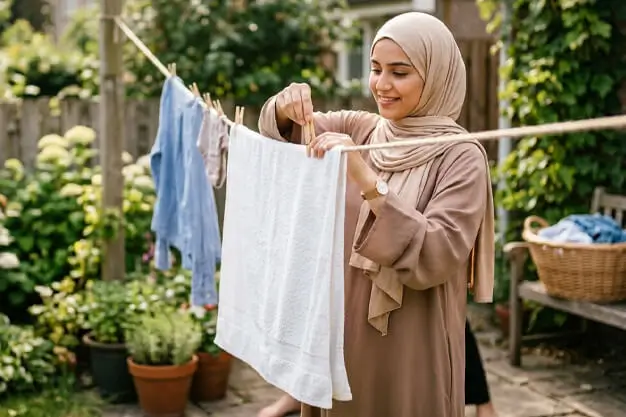
The best way to maintain fluffiness is to tumble dry towels on a medium heat setting. The dryer’s tumbling motion helps soften the fibers. If you air-dry them outside in the UAE sun, don’t leave them out too long. The intense UV rays can make the fibers brittle and cause colors to fade rapidly.
When to Choose Professional Laundry and Dry Cleaning for Towels
Sometimes, home machines simply aren’t powerful enough. If your towels have developed a persistent “musty” smell, a domestic wash might not reach the deep fibers. Professional services use industrial-grade equipment that provides a much more thorough rinse and dry. This is especially important for items like massage linens and gym towels, which harbor more sweat and oils than standard bath towels.
If you have invested in expensive, high GSM (grams per square meter) linens, professional care helps ensure they don’t shrink or lose their shape. Experts understand the exact pH balance needed to neutralize hard water’s effects. They can also handle delicate, eco-friendly towel fabrics that might be sensitive to standard home detergents. It is a great way to “reset” your towels every few months.
How Love2Laundry UAE Keeps Cotton Towels Soft, Fresh, and Hygienic
Love2Laundry UAE understands the unique challenges of the local climate. We use specialized processes designed to combat hard water and humidity. Our team treats every towel with care, preserving the natural oils of the cotton while removing dirt and bacteria. We use eco-friendly detergents that are tough on stains but gentle on the skin.
With our convenient pickup and delivery service, you won’t have to worry about drying large loads in a small apartment. We ensure every item is returned perfectly folded and completely dry. Our expertise in Turkish cotton towels and Egyptian cotton towels allows us to apply the right heat and cycle for each fabric type.
To view our competitive pricing, you can check our website or app. For any specific requests regarding your delicate linens, please contact us to speak with a fabric expert.
How Often Should You Replace Cotton Towels?
Even with the best care, cotton eventually wears out. A good rule of thumb is to replace your towels every two to three years. One sign of a worn-out towel is ‘reduced absorbency.’ If the towel merely pushes water around your skin instead of absorbing it, the fibers are likely coated with too much residue or are too thin.
Another sign is a permanent odor. If a towel smells bad immediately after getting wet, even after a hot wash, bacteria have moved in permanently. You may also notice thinning spots or frayed edges. At this stage, the towel has lost its structural integrity. It’s best to discard these items and invest in fresh cotton to maintain your hygiene standards.
FAQs – Cotton Towels Guide
Which type of cotton is best for towels?
According to our cotton towels guide, Egyptian cotton is widely considered the best for its exceptional softness and high thread count. It provides a luxurious, heavy feel that is perfect for a spa-like experience at home.
Which is better, Supima or Egyptian cotton towels?
Both are excellent long-staple options, but Egyptian cotton is typically more absorbent and plush. Supima is often preferred for its superior color retention and resistance to pilling after multiple washes.
Is 100% cotton a good towel?
Yes, 100% cotton is the industry standard because it offers the best combination of natural softness and durability. It is far more effective at drying the skin than synthetic blends or microfiber.
Choosing and Caring for Cotton Towels the Smart Way
In conclusion, this cotton towels guide highlights that the secret to a great bathroom experience lies in the details. From choosing between Turkish cotton towels vs Egyptian cotton towels to understanding the impact of hard water, your choices matter.
The UAE climate demands a proactive approach to laundry. By avoiding fabric softeners and ensuring proper drying, you can maintain your linens in top condition. Investing in an eco-friendly towel can benefit your skin and the planet. Remember, towels are an investment in your daily comfort and well-being.
When home care isn’t enough, professional services provide a deep clean that restores fabric health. Monitor the age of your linens and replace them when they lose effectiveness. With the proper knowledge, your towels will stay soft, fresh, and hygienic for a long time.