How to Remove Sweat Stains From Clothes: Stain-Removing Tricks That Never Fail

If you want to remove sweat stains from clothes, you must act quickly before the salts and oils bond with the fabric. These yellow or white patches are a common clothing problem caused by heat, deodorant, and body oils reacting together under your arms.
While they are frustrating, proper stain treatment and professional laundry and dry cleaning services help restore clothes safely to their original condition. Many people struggle with these marks because they do not understand the chemical reaction occurring on the fibers.
Sweat itself is mostly water, but when it mixes with the aluminum in antiperspirants, it creates a stubborn residue. Learning the best way to remove sweat stains from clothes involves understanding both chemistry and patience. You do not have to throw away your favorite shirts just because of a little perspiration.
With the right approach, you can keep your wardrobe looking fresh for years. Professional care is often the safest bet for high-end items, but home remedies work wonders for everyday wear.
What Causes Sweat Stains on Clothes?
Sweat stains occur when your natural body secretions mix with external elements like deodorant, bacteria, and fabric fibers. This combination triggers a chemical reaction that leaves unsightly yellow or white marks on your garments.
The armpit areas are most affected because they have a high density of sweat glands and frequent contact with topical products. Some fabrics, such as polyester and synthetic blends, tend to stain more quickly than natural fibers because they trap heat and oils more effectively.
When aluminum-based deodorants come into contact with the proteins in your sweat, they form a hard, yellowish crust that clings to the fabric. Over time, these minerals build up and become harder to remove with a standard wash cycle. Bacterial growth on damp fabric can also intensify discoloration and create a lingering odor that lingers even after drying.
Why Normal Washing Often Fails to Remove Sweat Stains
Standard machine washing often fails because heat and regular laundry detergents alone cannot break down protein-based sweat stains. In fact, if you toss a stained shirt into a hot wash without checking it, the high temperature can cook the proteins into the fabric. This process makes the discoloration permanent by bonding the minerals to the threads.
Most detergents are designed to remove surface dirt rather than deep-seated chemical buildup in the underarm area. Washing without pre-treatment can lock stains deeper into the fabric, making them nearly impossible to lift later.
You need an enzymatic or acidic agent to break the bond between the aluminum salts and the cotton or silk. Without a targeted approach, the yellowing will only become more prominent with every consecutive wash and dry cycle.
Identify the Type of Sweat Stain Before Treating
Before you start scrubbing, you must identify what kind of mark you are dealing with. Different stages of discoloration require specific chemical reactions to lift the grime effectively. Most tips to remove sweat stains from clothes suggest checking the age and color of the mark first. Choosing treatment methods based on stain age and fabric color prevents accidental damage to your favorite outfits.
Fresh vs Set-In Sweat Stains
Fresh stains are much easier to remove with quick action because the oils have not yet oxidized. At this stage, the residue is still “wet” at the molecular level and hasn’t fully fused into the fabric structure.
However, dried or heat-set stains require stronger, repeated treatment to break the hardened crust. Once a stain has been through a tumble dryer, it becomes a structural part of the shirt’s fibers. These older marks often require multiple rounds of soaking or professional-grade solvents to see any real improvement.
Best Pre-Treatment Methods for Sweat Stains
You should always pre-treat the underarm area before putting your garments into the machine. Applying a concentrated solution directly to the problem spot significantly improves the cleaning process’s success rate.
This step allows the cleaning agents to penetrate deep into the weave where the sweat is trapped. Following the best way to get sweat stains out of clothes always starts with this essential manual step.
Safe Home Remedies for Pre-Treating Sweat Stains
A simple baking soda paste is one of the most effective and gentle options for removing debris. You can also use white vinegar or a mild dish soap solution to break down the oily component of the mark. These household items are acidic enough to dissolve mineral buildup without being too harsh on the textile.
However, you must warn against overuse on delicate or dark fabrics, as acidity can sometimes cause color bleeding. Always test a small, hidden area of the garment before applying the remedy to the entire underarm section.
How to Remove Sweat Stains from White Clothes
To get sweat stains out of white shirts, you need a method that brightens the fabric without causing structural damage. Oxygen-based whiteners are much safer than chlorine bleach, which can actually turn yellow sweat stains even darker.
You should create a soak using warm water and a brightening agent to lift the dingy hue from the cotton. This method protects the integrity of blended fibers while stripping away the dullness caused by body oils. If the stain is particularly thick, a soft toothbrush can help work the cleaner into the center of the mark.
Consistent care ensures that your whites stay crisp and do not develop that aged, yellow look over time. Many people find that a long soak is the best way to get sweat stains out of clothes when dealing with white linens.
Following these tips to remove sweat stains from clothes will help you master the art of sweat marks on shirts removal without damaging the delicate fibers of your favorite outfits. Once you learn the specific soaking techniques required to get sweat stains out of white shirts, you will never have to worry about yellowing or fabric stiffness again. Combining these methods ensures your wardrobe stays in peak condition through every season.
How to Remove Sweat Stains from Colored Clothes Without Fading
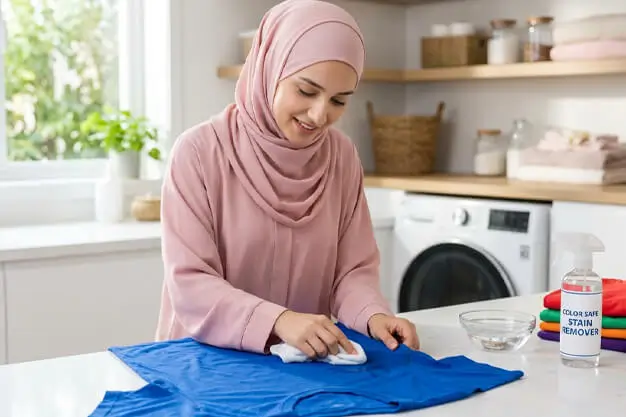
Treating colors requires a delicate balance to remove sweat stains from clothes without stripping the dye. You should prioritize color-safe stain removers and always use a cold water wash to keep the pigments locked in.
Hot water is the enemy of bright colors and can cause the stain to bleed into the shirt’s surrounding areas. It is vital to avoid harsh scrubbing, which can create a “faded” patch that looks worse than the original stain.
Instead, gently blot the pre-treatment into the fabric and let it sit for at least thirty minutes. This patience allows the chemicals to work on the sweat salts without attacking the fabric dyes. Checking for colorfastness on an inside seam is a mandatory step before you begin the full treatment.
Removing Sweat Stains from Delicate Fabrics
Fabrics such as silk, wool, and modern synthetics require extra care because their fibers are easily broken. You must understand that aggressive scrubbing and hot water should always be avoided with these materials.
High heat can shrink wool or melt the fine threads of a silk blouse, ruining the garment forever. Using a pH-neutral cleaner is the safest path to remove sweat stains from clothes made of luxury materials.
When to Avoid DIY and Choose Professional Cleaning
There are situations where home treatment may cause irreversible fabric damage or permanent discoloration. If you are dealing with an expensive suit or a vintage silk dress, the risk of a DIY mistake is too high.
Professional laundry and dry cleaning services protect delicate garments with specialized solvents not available to the public. These experts know exactly how to remove deodorant stains from clothes without fraying the edges. Investing in professional care for your high-value items is much cheaper than replacing them entirely.
Washing and Drying After Stain Treatment
Once you have pre-treated the area, select a gentle cycle with a temperature appropriate for the fabric type. You must verify that the mark is completely gone before you put the item in the tumble dryer. If you see even a hint of yellow, repeat the treatment process while the garment is still damp. Drying a stained item with heat will act like glue, making it a permanent feature of your wardrobe.
Common Mistakes That Make Sweat Stains Worse
Using Hot Water Too Early: Applying high heat to a fresh sweat mark is one of the biggest errors. Heat acts as a catalyst that “cooks” the proteins and minerals into the fabric. This process permanently bonds the residue to the fibers, making it nearly impossible to lift later.
- Rubbing Aggressively: Scrubbing the fabric against itself or using a stiff brush can weaken the threads’ structural integrity. This often leads to “pilling,” thinning of the material, or even holes in the underarm area.
- Using Chlorine Bleach on Yellow Stains: Many people mistakenly reach for bleach to whiten a yellowed shirt. However, the chemicals in bleach react negatively with the proteins in sweat, often turning the stain a darker, more permanent orange or brown hue.
- Tumble Drying Before Inspection: Putting a garment in the dryer before the stain is completely gone is a critical mistake. The intense heat of the dryer sets any remaining residue, ensuring the discoloration stays forever.
- Neglecting a Methodical Path: To avoid armpit stains to wear clean shirts, you must follow a gentle cleaning path to wear clean shirts. Failing to pre-treat or using the wrong detergents can spread discoloration to a wider area and make the fabric stiff and uncomfortable.
How to Prevent Sweat Stains in the Future
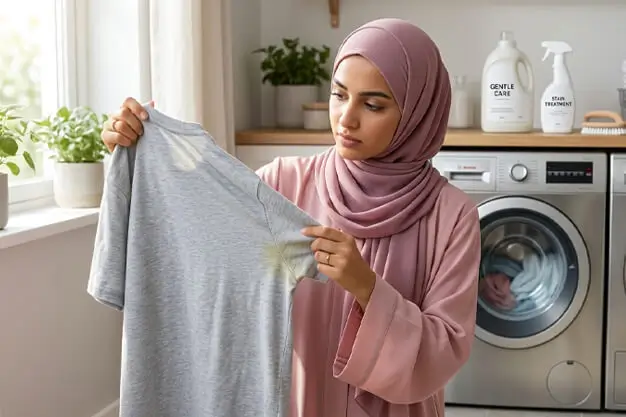
Prevention is the most effective strategy to remove sweat stains from clothes before they even form. Switch to breathable fabrics like cotton or linen, which allow moisture to evaporate rather than soaking into the threads.
You should always allow your deodorant to dry completely on your skin before putting on your shirt. This simple habit prevents the bulk of the chemical transfer from the product to the fabric fibers. If you sweat heavily, consider wearing a thin undershirt to act as a sacrificial barrier for your more expensive outer layers.
Regular washing after every wear is also crucial, as it prevents body oils from sitting on the fabric and oxidizing. The longer a shirt sits in the hamper, the harder it becomes to get sweat stains out of white shirts later on. Applying a bit of water to the underarms immediately after taking the shirt off can also dilute the salts.
When to Use Professional Laundry and Dry Cleaning Services
Tough or old sweat stains often require expert treatment that goes beyond what a kitchen pantry can provide. If you have tried home remedies and the mark persists, it is time to call in the professionals. Expert cleaners use industrial-grade enzymes and ultrasonic tools to vibrate the dirt out of the fabric weave.
This level of care is essential for maintaining the lifespan of your professional attire and formal wear. Love2Laundry UAE’s laundry and dry cleaning service offers a safe solution for stubborn stains and valuable garments. We have the expertise to remove the yellow stain from white shirt fabrics without compromising the softness of the material.
You can check our pricing online to see how affordable it is to save your favorite wardrobe pieces. If you have a specific concern about a delicate item, you can contact us to get professional advice on the best cleaning method.
FAQs – Remove Sweat Stains From Clothes
Can lemon juice remove sweat stains?
Lemon juice works as a natural bleaching agent due to its citric acid content, which breaks down minerals. It is very effective on white fabrics when combined with sunlight to lift yellowing.
Does vinegar remove sweat stains?
White vinegar is excellent for dissolving the salts and deodorants that cause stiff fabric in the armpit area. It also helps neutralize odors trapped deep within the clothing fibers.
How do you get dried sweat stains out of clothes?
To remove dried stains, you must first rehydrate them with a warm-water mixture and an enzymatic cleaner. Letting the garment soak for several hours allows the hardened crust to break apart before washing.
Keep Your Clothes Fresh, Clean, and Stain-Free
Learning how to remove sweat stains from clothes is a vital skill for anyone who wants to maintain a professional and polished appearance. By understanding the chemical nature of these marks, you can choose the best tips to remove sweat stains from clothes for each specific fabric.
Whether you are using a homemade baking soda paste or seeking expert help, the key is consistency and speed. Remember that hot water and harsh rubbing often do more harm than good, especially on delicate, colored items. For the most stubborn cases, the best way to get sweat stains out of clothes is to rely on professional technology and experience.
Combining careful home maintenance with periodic deep cleaning ensures your outfits stay bright and odor-free. Do not let a few hot days ruin your favorite outfits when the solution is just a soak or a service call away. Keep your whites bright and your colors vibrant by treating every mark with the respect it deserves